

Israel Seeks U.S. Backing Amid Hezbollah Rearmament in Southern Lebanon
U.S. Deputy Special Envoy Morgan Ortagus arrives in Israel amid warnings of potential military operations and Lebanon's inability to control the Iran-backed Shiite group.
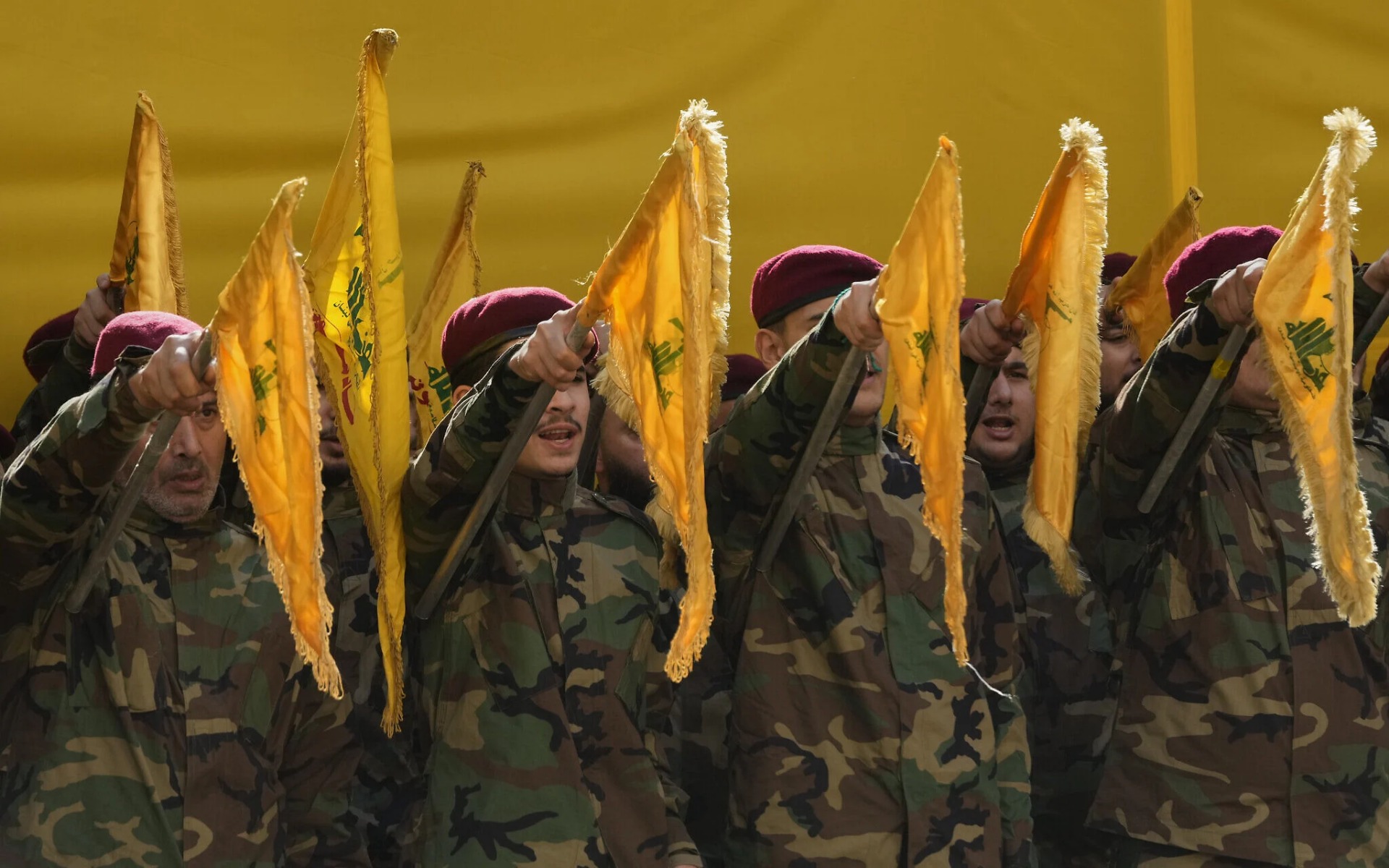
Israel's Channel 12 reports that the government plans to present Morgan Ortagus, U.S. Deputy Special Envoy to the Middle East, with intelligence showing that Hezbollah is rebuilding its military capabilities and rearming in southern Lebanon. According to Israel, the Lebanese Armed Forces are either unable or unwilling to prevent the group's violations, creating a security vacuum in the region.
A senior Israeli official told the network that "Israel needs American legitimacy for any step it takes", emphasizing that even defensive or preventive measures require international political backing, particularly from Washington, to avoid diplomatic tensions and potential regional fallout.
Expanded details:
-
The intelligence reportedly includes reports on weapons movements, ammunition storage, militia training, and the expansion of Hezbollah's underground bases or tunnels.
-
The information aims to demonstrate that the threat is active, growing, and not theoretical, justifying any preventive measures Israel might take.
-
The presentation is also intended to apply diplomatic pressure on Lebanon and its allies, signaling that the international community is monitoring the situation.
Strategic Meetings with Israeli Leaders
During his visit, Ortagus will meet with Prime Minister Benjamin Netanyahu and Defense Minister Israel Katz to discuss possible courses of action and coordination with the U.S. on defense and intelligence matters. He will also meet with Foreign Minister Gideon Sa'ar, who will outline Israel's official assessment of Hezbollah's growing military capabilities and associated risks.
Key statements:
-
Sa'ar warned that Hezbollah "is arming itself much faster than it is disarming," placing direct responsibility on the Lebanese government.
-
He noted that Iran continues to transfer funds to the group through Turkey, allowing Hezbollah to maintain and expand its arsenal.
-
Sa'ar emphasized the need to cut off the flow of money and strengthen international oversight to limit the group's rearmament.
Expanded details:
-
The meetings aim to align U.S. and Israeli policies, reinforcing the narrative that Hezbollah poses a real and growing regional threat.
-
Discussions will include diplomatic and economic actions, including sanctions, asset freezes, and measures against countries facilitating Hezbollah's funding.
-
The ultimate goal is to show that Israel is acting preventively, based on evidence and international support, not unilaterally.
Rising Alarm in Beirut and the "Birthday Operation"
Ortagus' visit comes amid growing tension in Beirut, where Lebanese officials fear that Israel may carry out a major strike in the coming days or weeks. This concern is heightened by the approaching December deadline for the so-called "Birthday Operation", in which the Lebanese Army was supposed to remove Hezbollah's weapons from southern Lebanon.
Problems and context:
-
To date, the operation has not advanced as planned, highlighting the Lebanese government's inability to control Hezbollah.
-
Analysts note that the operation was largely symbolic rather than practical, as Hezbollah maintains control over strategic areas in southern Lebanon.
-
The lack of effective action increases Israel's perception that the threat cannot be contained by Lebanese forces alone, justifying potential unilateral measures.
Regional impact:
-
The situation places pressure on Lebanon, weakening the government's position both domestically and internationally.
-
Neighboring countries, including Syria and Jordan, remain on alert due to possible security and trade repercussions in the region.
Warnings of Potential Israeli Military Action
Lebanese media reports indicate that Israel is sending signals to Beirut that military action could be imminent, especially following the U.S. envoy's visit. This reflects a combination of diplomatic pressure, intelligence sharing, and military readiness, designed to maximize the effectiveness of any action while minimizing international risk.
Expanded details:
-
Israel's strategy includes tactical troop movements, surveillance of sensitive areas, and real-time intelligence alerts.
-
Sources suggest that any potential Israeli action would likely be swift and limited, aimed at destroying key Hezbollah infrastructure without triggering a full-scale conflict.
-
The tension keeps the region on constant alert, with possible repercussions for Syria, Iran, and other Hezbollah-linked actors.
-
Experts emphasize that U.S. backing not only provides political legitimacy but also facilitates logistical and intelligence coordination, which could be crucial in the event of escalation.
Morgan Ortagus' visit to Israel underscores growing concern over Hezbollah's military capabilities and Iranian support, as well as Israel's urgency in securing international legitimacy before taking any military action. Meanwhile, the inaction of the Lebanese government and the approaching deadlines for planned operations create a high-tension scenario in southern Lebanon, keeping the wider region on edge.
Israel is thus combining diplomacy, intelligence, and military preparedness, seeking an effective response that protects its borders and sends a clear message to Hezbollah and its regional backers.